



Why an Outdoor Kitchen Is More Than a Grill
For many homeowners, the idea of an outdoor kitchen starts and ends with a built-in grill and a small patio. In reality, a well-designed outdoor kitchen is an extension of your home that adds usable living space, supports entertaining, and changes how you use your yard day to day. In Pittsburgh and Western Pennsylvania, where outdoor time is seasonal and weather can be unpredictable, thoughtful planning matters even more.
A true outdoor kitchen is designed for how you cook, gather, and relax. It should feel intentional, durable, and connected to the rest of your outdoor living space. When done correctly, it becomes a long-term investment that supports your lifestyle rather than a standalone feature that feels underused.
This guide walks through the significant steps involved in planning an outdoor kitchen, from defining how you will use it to selecting materials that can handle Western Pennsylvania’s climate.
Step 1: Define Your Goals and How You Will Use the Space
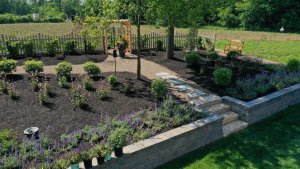
Before thinking about layouts or materials, it is essential to understand how you actually want to use your outdoor kitchen. This decision shapes every other part of the design.
Some homeowners want a simple setup for casual weeknight grilling. Others envision a space where they can cook full meals, host family gatherings, or entertain large groups. These use cases require very different levels of infrastructure, space, and investment.
Questions to consider early include:
- Will this space primarily be used by your household or for entertaining guests?
- Do you plan to cook full meals outdoors or prepare food inside and finish it outside?
- How many people do you want to seat comfortably?
- Will the kitchen be used frequently or mainly for special occasions?
Being clear about your goals helps avoid overbuilding or underbuilding the space. It also ensures the final design supports how you live, rather than forcing you to adapt to it.
Step 2: Planning the Layout and Kitchen Zones
Outdoor kitchens benefit from the same functional zoning used in indoor kitchens. Thoughtful layout planning improves flow, safety, and usability, especially when multiple people are using the space at once.
Most outdoor kitchens include several core zones:
- Cooking zone, which may consist of ovens, side burners, pizza ovens, or smokers
- Preparation zone with counter space and access to storage
- Serving zone for plating food and setting out drinks
- Seating and dining zone for guests
Proper spacing between these areas matters. Crowded layouts can feel uncomfortable and increase safety risks around heat sources. Poorly planned layouts can also make it challenging to add utilities or appliances later.
In Pittsburgh-area properties, layout planning also needs to account for slopes, drainage patterns, and proximity to the home. A professional design ensures the kitchen works naturally within the existing landscape rather than feeling forced into it.
Step 3: Choosing Materials That Withstand Western Pennsylvania Weather
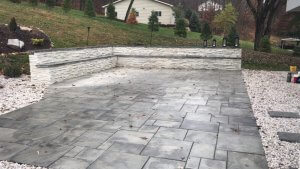
Material selection is one of the most critical decisions in any outdoor kitchen project. Western Pennsylvania experiences freeze-thaw cycles, heavy rain, humidity, and temperature swings that can quickly damage materials not designed for outdoor use.
Durable, weather-resistant materials help reduce maintenance and extend the kitchen’s lifespan. Common choices include:
- Concrete for foundations, countertops, and structural elements
- Natural stone for surfaces and facades due to its durability and appearance
- Brick for its strength, classic look, and resistance to weather changes
These materials are not only functional but also visually cohesive with outdoor environments. They age better than lightweight or decorative materials and hold up under repeated exposure to moisture and cold.
Selecting the right materials early also impacts long-term costs. Cheaper materials may lower upfront expenses, but often require repairs or replacement sooner.
Step 4: Utilities and Infrastructure Considerations
Outdoor kitchens require more infrastructure than many homeowners expect. Planning utilities correctly from the start helps avoid costly changes later and ensures the kitchen functions safely and reliably.
Key infrastructure considerations include:
- Gas lines for grills or cooktops
- Electrical connections for lighting, refrigeration, and appliances
- Proper ventilation for enclosed or partially enclosed spaces
- Drainage to manage rainwater and prevent pooling
- Outdoor-rated appliances designed for temperature and moisture exposure
Permits may also be required, depending on the project’s scope and local regulations. Working with experienced professionals helps ensure everything meets code and functions as intended.
Infrastructure planning is also where many DIY projects fall short. Incorrect gas, electrical, or drainage work can limit how the space is used or create safety concerns.
Step 5: Budgeting and Cost Expectations
Outdoor kitchen costs vary widely based on size, materials, appliances, and labor. Setting realistic expectations early helps guide design decisions and prevents surprises later in the project.
At a high level, outdoor kitchens generally fall into a few broad categories:
- Modest setups focused on grilling and basic counter space.
- Mid-range kitchens with multiple appliances and seating areas
- High-end designs that function as complete outdoor cooking and entertaining spaces
Major cost drivers include the kitchen footprint, material quality, appliance selection, utility work, and site preparation. Custom stonework, premium appliances, and complex layouts increase costs but also improve durability and usability.
A professional design-build approach helps align budget with priorities, ensuring money is spent where it adds the most long-term value.
Step 6: Maintenance, Weatherproofing, and Seasonal Planning
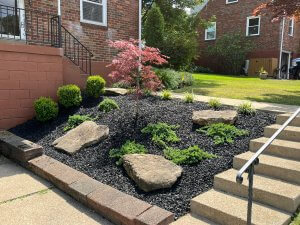
In Pittsburgh, an outdoor kitchen must be designed with all four seasons in mind. Proper weatherproofing and maintenance planning protect the investment and make the space easier to use year after year.
Seasonal considerations include:
- Protecting appliances and plumbing during winter
- Choosing finishes that resist moisture and staining
- Planning for snow, ice, and freeze-thaw cycles
- Designing for comfortable summer use with shade and ventilation
Routine maintenance, such as cleaning surfaces and inspecting utilities, helps extend the kitchen’s lifespan. Winterization practices are essential to prevent damage during colder months.
Early design choices, such as material selection and layout, play a vital role in determining the amount of ongoing maintenance required.
Ready to Create Your New Outdoor Space? Call Treesdale Landscaping Today!
At Treesdale Landscaping, we can help you create your dream outdoor space. From design and build to adding the finishing touches like plants and mulch, we are your all-in-one partner for transforming your property. Call us today to get started!

- How to Choose the Right Layout for Your Outdoor Kitchen: Island, L-Shape, One-Wall & More - February 27, 2026
- The Ultimate Guide To Designing An Outdoor Kitchen In Pittsburgh - February 27, 2026
- Before & After Outdoor Kitchen Transformations by Treesdale - January 6, 2026